
For Nigerian football fans, the name Jordan Chiedozie carries a familiar ring — a reminder of the many players of Nigerian heritage who have chased their dreams through the tough, unforgiving layers of English football.
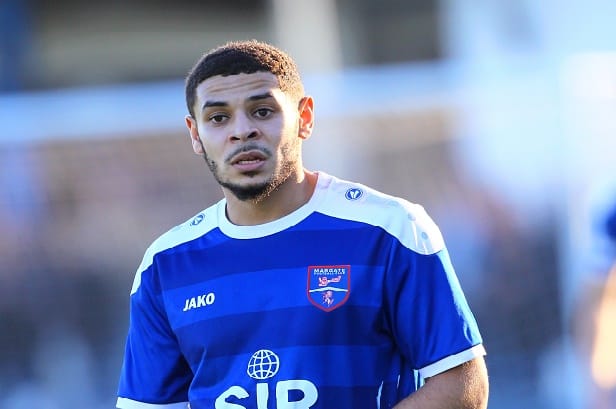
Until one night changed everything.
Jordan Chiedozie was doing what thousands of semi-professional footballers do every weekend. His match for Bashley was over. The long drive home had begun. Football, as always, was at the centre of his life.
Then, in the early hours of 1 February 2025, tragedy struck. Pulled over on the hard shoulder of the M27 in Hampshire to change a tyre, Chiedozie was struck by a vehicle. In an instant, the life he had built around football was torn apart.
The injuries were devastating. Doctors were left with no option but to amputate his right leg. His left leg suffered serious fractures, his pelvis was damaged, and his survival depended on emergency medical intervention. A footballer who had spent his entire life running, pressing, chasing goals — suddenly faced a future without the game he loved.
A journey built on sacrifice
Chiedozie’s story is one many Nigerians at home and in the diaspora understand deeply. Born to a family of Nigerian heritage, his rise in football came through perseverance rather than privilege. He spent seven formative years in the academy system at AFC Bournemouth, grinding through youth football with the same hope shared by countless young players of African descent: that talent, discipline and faith would eventually open doors.
Though he did not become a Premier League star, his career was a success by non-league standards. He earned respect across England’s football pyramid, representing clubs such as Cambridge United, Margate, Poole Town, AFC Totton, and Bashley.
For players like Chiedozie, football is more than a job. It is identity, purpose, and a source of pride for family and community. That is why the loss cuts so deeply.
Life after football — but not without courage
Chiedozie has since spoken about how “one day changed everything.” Simple daily tasks now require planning and support. Independence had to be relearned. The physical pain is constant, but the emotional weight — knowing his playing career ended without warning — is even heavier.
Yet, his response has inspired many.
The English football community rallied around him, honouring his courage and resilience. In July 2025, he received a guard of honour at a benefit match involving Bashley and AFC Bournemouth, a powerful moment of solidarity that underlined the respect he earned throughout his career.
He was later invited to present the match ball at Bournemouth’s Premier League fixture against Tottenham Hotspur, and received personal recognition from the club’s hierarchy — a reminder that while football was taken from him, his place in the football family was not.
A story Nigerians should hear
For Nigerian audiences, Jordan Chiedozie’s story resonates far beyond England’s motorways and non-league grounds. It is the story of a son of Nigerian heritage who chased a dream with honesty and hard work.
A footballer who never cut corners.
A man whose life changed not because of poor choices, but because of circumstances beyond his control. His journey now stands as a reminder of the fragile line between ambition and adversity — and of the strength required to keep moving forward when everything familiar is taken away. Jordan Chiedozie may no longer walk onto the pitch in boots and shin guards. But in courage, dignity and resilience, he is still very much a footballer.