
Nigerian football stakeholders disagree over the cost and handling of a rejected petition against DR Congo.
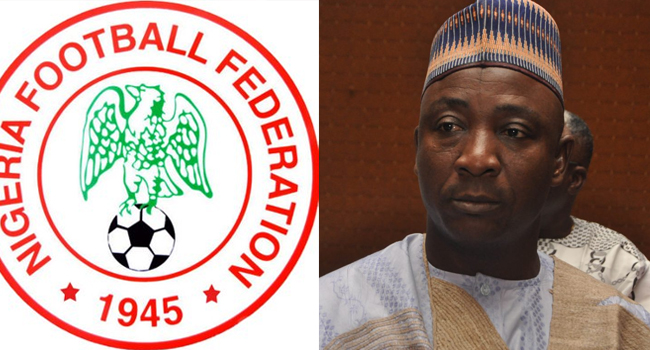
A fierce debate has erupted in Nigerian football circles over whether the Nigeria Football Federation (NFF) legitimately spent an estimated N300 million (about $200,000) pursuing a controversial petition against DR Congo following the Super Eagles’ elimination from the 2026 FIFA World Cup qualifiers — or if the whole exercise was a misguided distraction that damaged the nation’s football interests.
The Petition That Divided Opinion
Nigeria failed to qualify for the 2026 FIFA World Cup after losing to DR Congo in a dramatic playoff decided 4–3 on penalties following a 1–1 draw in Rabat, Morocco. In the aftermath, the NFF lodged a formal petition with FIFA, alleging that several DR Congo players were ineligible under domestic law and FIFA regulations.
The federation claimed the Democratic Republic of Congo may have provided misleading information to FIFA during the player clearance process — an assertion the NFF argued could provide grounds for overturning the result.
But FIFA rejected the protest on procedural and timing grounds, with officials indicating the complaint was submitted outside the required timeframe and lacked essential components such as the correct protest fee.
The NFF has since lodged an appeal with the Court of Arbitration for Sport (CAS), but with DR Congo now confirmed as a 2026 World Cup qualifier, the issue has become a lightning rod for criticism.
Stakeholders Respond
Some Nigerian football stakeholders have openly challenged the legitimacy and handling of the petition — not just its outcome.
Harrison Jalla, Chairman of Advocacy for Nigeria Football Reform Concepts, accused the NFF of misleading both the Federal Government and Nigerian football supporters, describing the petition as “fake” and alleging failures in both strategy and execution. He said the petition was filed too late, sent to the wrong email address, and submitted without payment of the necessary fee — raising questions about the federation’s competence.
Critics have also demanded transparency around the actual cost of the legal action, questioning whether the alleged N300m expenditure was justified given the petition’s outcome. Calls for receipts, accountability, and even potential prosecutorial scrutiny have emerged from some quarters of the football community.
NFF’s Position
Officials from the federation maintain that the process was conducted within their rights and in pursuit of justice for Nigerian football, though details on costs and formal responses from FIFA remain opaque.
The ongoing disagreement has revealed deep fractures between parts of the football establishment and the governing body, with broader implications for governance, accountability, and the NFF’s strategy moving forward.
What It Means for Nigerian Football
The controversy only deepens after Nigeria’s back-to-back failure to reach the World Cup finals — missing out on both the 2022 and 2026 editions. Critics argue that administrative missteps have compounded on-field shortcomings, leaving supporters disillusioned and demanding reforms.
The petition saga could serve as a catalyst for change in how the NFF handles disputes, engages stakeholders, and communicates with the public — potentially sparking broader governance reforms within Nigerian football.